MGA Flags Governance Gaps in Key-Function Review
The Malta Gaming Authority's thematic review found mature boards at many licensees but warned of over-reliance on a few decision-makers and weak audit trails.
Licensing, enforcement, and rule changes across the world's regulated gambling markets.
The Malta Gaming Authority's thematic review found mature boards at many licensees but warned of over-reliance on a few decision-makers and weak audit trails.
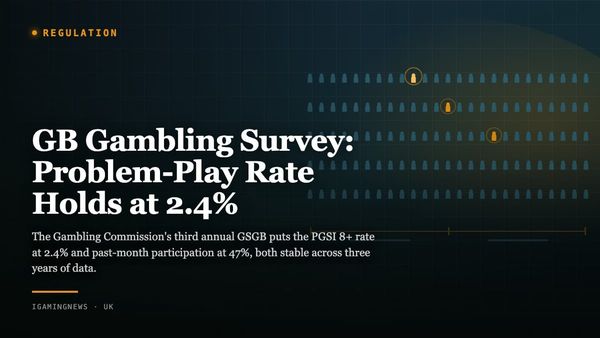
The Gambling Commission's third annual GSGB puts the PGSI 8+ rate at 2.4% and past-month participation at 47%, both stable across three years of data.
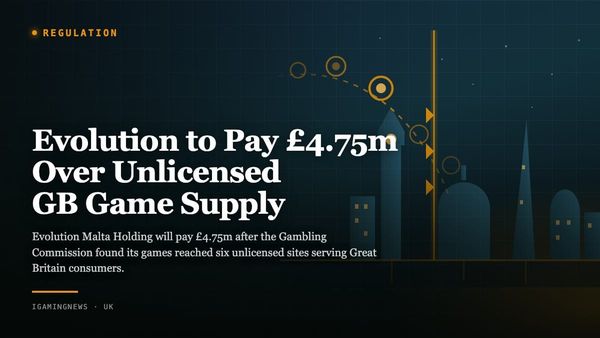
Evolution Malta Holding will pay £4.75m after the Gambling Commission found its games reached six unlicensed sites serving Great Britain consumers.
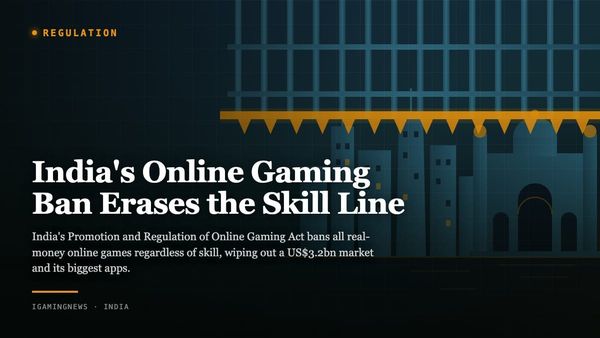
India's Promotion and Regulation of Online Gaming Act bans all real-money online games regardless of skill, wiping out a US$3.2bn market and its biggest apps.
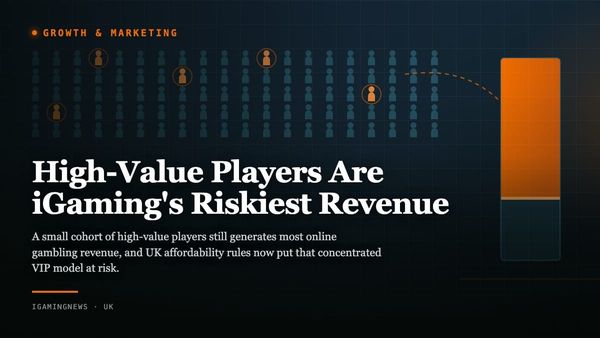
A small cohort of high-value players still generates most online gambling revenue, and UK affordability rules now put that concentrated VIP model at risk.
A gambling advertising ban across Belgium, Italy and the Netherlands is pushing operator marketing out of mass media and into owned data and affiliate channels.
Africa online betting is the industry's fastest-growing frontier, built on mobile money across South Africa, Kenya and Nigeria and threatened by tax swings.
Massachusetts now forces sportsbooks to explain account limits within 48 hours. Here is how sportsbook account limits work and what bettors can now demand.
Netherlands gambling enforcement is turning toward payment firms, hosts and influencers after the KSA's record EUR24.8m fine on illegal operator Novatech.
In Latin America online gambling, Colombia and Peru show the next markets are won on tax stability, not market size, after both damaged their regulated books.
Gambling channelisation, the share of betting on licensed sites, is the one metric that shows if regulation worked. Tax receipts can rise while it falls.
The Premier League gambling sponsorship ban hits shirt fronts from 2026-27, wiping out roughly £80m a year and rewiring how betting operators buy attention.