US iGaming Legalization Is Stuck: Here Is Why
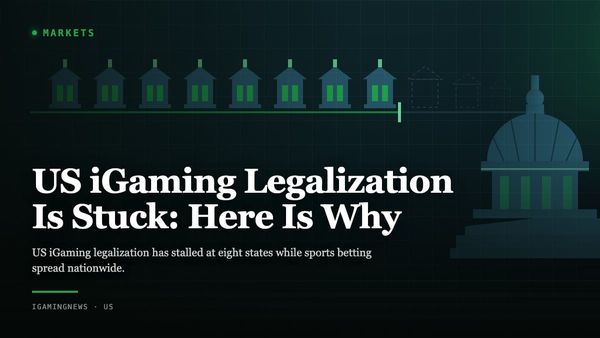
US iGaming legalization has stalled at eight states while sports betting spread nationwide. The reasons are structural, and they cap operator growth for years.
Market entries, exits, and the shifting competitive landscape of global iGaming.
US iGaming legalization has stalled at eight states while sports betting spread nationwide. The reasons are structural, and they cap operator growth for years.
UK Remote Gaming Duty rose from 21% to 40% on 1 April 2026. Flutter and Entain flagged nine-figure profit hits as operators rebuild their UK product mix.
Rising US sports betting taxes, led by Illinois's per-wager fee, are forcing operator surcharges, thinner promotions and a rethink of state economics.
Austria has unveiled a draft law to end Casinos Austria's online monopoly and open a multi-licence market, with the first licences due on 30 September 2027.
Missouri launched legal online sports betting on December 1, 2025, the 39th US state to do so, after voters approved Amendment 2 the previous November.
Alberta will open its regulated online gambling market on July 13, 2026 with 28 approved operators, becoming the second Canadian province after Ontario.
Around 80 operators now hold a federal Brazilian betting licence in 2026, under a regime charging a R$30 million fee and a 13% GGR tax rising to 15% by 2028.
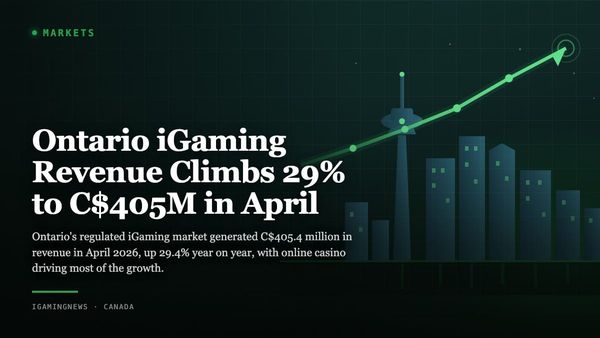
Ontario's regulated iGaming market generated C$405.4 million in revenue in April 2026, up 29.4% year on year, with online casino driving most of the growth.